


In the world of podcasting, sound quality can make or break a show. Imagine crafting the perfect episode only for listeners to struggle with muffled audio or annoying background noise. It’s like serving a gourmet meal on a paper plate—no one wants that! A solid podcast audio setup is the secret sauce that transforms amateur recordings into professional-sounding masterpieces.
Importance Of A Good Podcast Audio Setup
Quality audio significantly impacts listener engagement. A listener’s experience hinges on the clarity of sound, making it essential to invest in high-quality equipment. Distorted or low-quality audio frustrates audiences and can lead to decreased subscriptions or episode drop-off.
Good audio setups enhance the overall production value of a podcast. Professional-grade microphones, mixers, and soundproofing materials dramatically improve sound quality. A well-structured audio environment ensures clean recordings, which allows hosts to convey their message effectively.
Audience perception shifts dramatically based on audio quality. Audiences are likely to associate high-quality sound with credibility and professionalism. Conversely, poor audio may create skepticism about the content’s reliability.
A good audio setup minimizes distractions for listeners. Clear and crisp audio helps retain focus on the subject matter, promoting a better understanding of the content. Producing a seamless listening experience fosters deeper connections between hosts and listeners.
Cost-effective solutions exist for upgrading audio setups. Quality microphones, for instance, range in price but can still produce professional-sounding results. Audiovisual tools such as digital audio workstations (DAWs) optimize post-production processes and enhance sound quality.
Investing time in learning about audio equipment pays off. Knowledge of proper microphone placement, mixing techniques, and soundproofing strategies substantially benefits podcast quality. As podcasting becomes more competitive, differentiating one’s production through superior audio quality becomes imperative.
Essential Equipment For Podcast Audio Setup
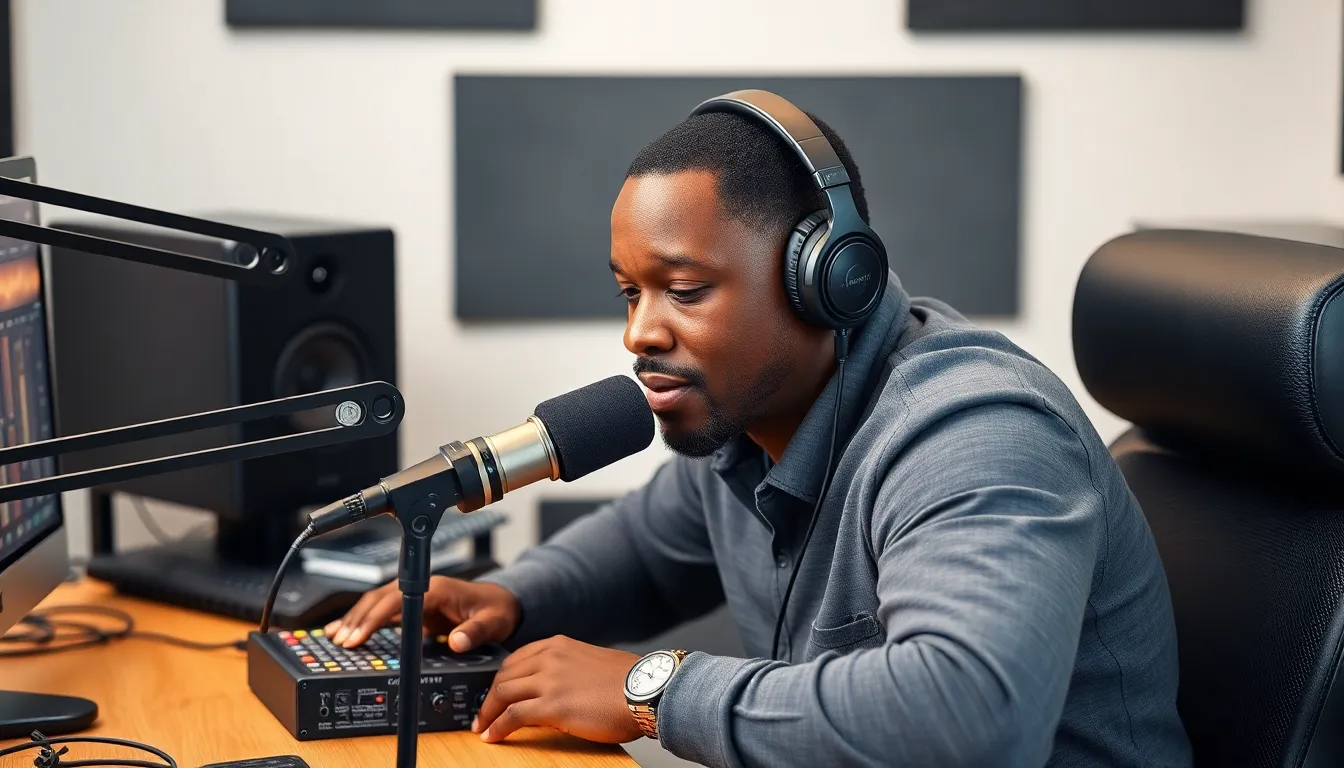
Quality podcast audio requires the right equipment. The following components contribute significantly to the overall sound experience.
Microphones
Selecting the right microphone enhances audio clarity. Dynamic microphones work well in untreated spaces, reducing background noise. Condenser microphones capture finer details, ideal for controlled environments. Popular models include the Shure SM7B and Rode NT1. Podcasters should also consider USB microphones for ease of use and decent quality. Investment in a good pop filter minimizes plosive sounds, ensuring vocal clarity.
Audio Interfaces
Audio interfaces connect microphones to computers, converting analog signals into digital. Devices like the Focusrite Scarlett series provide high-quality preamps, improving sound before it reaches software. Consider interfaces with multiple inputs for multi-host setups. Low latency is crucial for real-time monitoring. It’s beneficial to research compatible software to maximize functionality, ensuring a seamless recording process.
Headphones
Using closed-back headphones prevents audio bleed during recording. Good options like Audio-Technica ATH-M50x deliver accurate sound reproduction. Comfort matters for long recording sessions; adjustable headbands can extend runtime comfortably. Noise-isolating features enhance focus during listening and editing. Finally, a reliable pair allows podcasters to monitor their audio, enabling timely corrections to maintain quality.
Room Treatment For Optimal Sound
Room treatment enhances sound quality, ensuring an immersive listening experience. Effective treatment reduces unwanted noise, reverberation, and echo, essential for impactful podcasts.
Acoustic Panels
Acoustic panels absorb sound waves effectively, minimizing reflections and echoes. Panels come in various sizes and thicknesses, providing flexibility for different spaces. Professionals recommend mounting these panels at first reflection points to maximize absorption. Popular brands include Auralex and Primacoustic, known for high-quality materials. Placing additional panels on the ceiling can further dampen overhead reflections, enhancing clarity.
Soundproofing Techniques
Implementing soundproofing techniques reduces external noise interference. Sealing gaps around doors and windows can significantly lower outside noise levels. Heavy curtains or soundproof blinds act as barriers, diminishing sound intrusion. Carpeting and rugs also help absorb footstep sounds and lower ambient noise. Utilizing soundproof mats beneath equipment can minimize vibrations, contributing to a quieter recording environment.
Recording And Editing Software
Selecting the right software for recording and editing enhances overall podcast quality. Popular options include Audacity and Adobe Audition. Audacity offers a free, user-friendly platform with essential tools for recording and editing. Adobe Audition provides advanced features suitable for professional podcasters seeking comprehensive editing options.
Editing software enables users to cut, splice, and enhance audio. Noise reduction features in these applications significantly improve sound clarity. Many podcasters benefit from using built-in equalizers to balance audio levels.
Collaboration tools like Anchor or SquadCast offer remote recording capabilities, ideal for hosting interviews. Anchor is especially user-friendly for beginners, allowing seamless integration of music and effects. SquadCast ensures high-quality audio recording, facilitating smooth conversations over the internet.
Plugins also enhance editing capabilities in various software. Popular VST plugins like iZotope RX and Waves offer advanced effects and sound management tools for improved audio quality. Podcasters often find that mastering audio with these plugins elevates their content.
The critical aspect remains to test different software options. Finding the right fit based on personal needs and podcast format can make a significant difference in production quality. Each program offers unique features that cater to varied recording styles.
Investing in a quality audio setup is a game changer for any podcaster. It not only enhances the listening experience but also builds credibility and professionalism. By choosing the right equipment and implementing effective soundproofing techniques, podcasters can create an environment that minimizes distractions and maximizes engagement.
Additionally, familiarizing oneself with recording and editing software can elevate production quality. With the right tools and knowledge, podcasters can truly differentiate themselves in a crowded market. Prioritizing audio quality is essential for fostering deeper connections with listeners and ensuring that content resonates.


